

PolyBuzz: Chat with AI Friends Review: Features, Pros & Cons
CLOUD WHALE INTERACTIVE TECHNOLOGY LLC.
- Installs
- 10,000,000+
- Ratings
- 887,913
- Price
- Free
- Developer
- CLOUD WHALE INTERACTIVE TECHNOLOGY LLC.
Screenshots

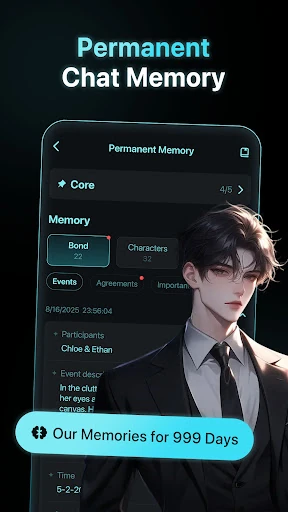







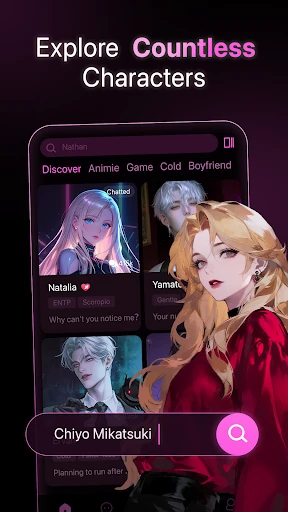

Overview
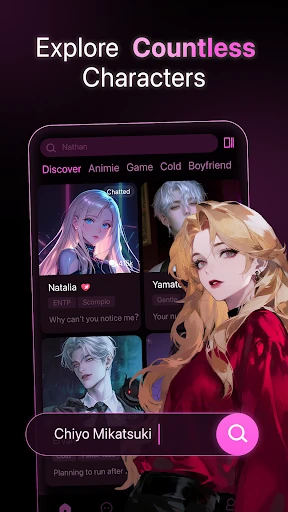
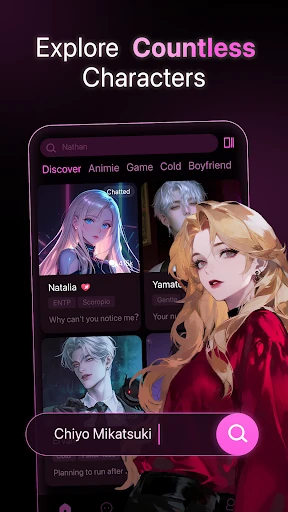
PolyBuzz is a free Android app for casual AI character chat and roleplay. You can browse a large roster of characters—familiar archetypes, historical figures, and user-made creations—or build your own, then hold a conversation in text or with voiced replies. That makes it a better fit for entertainment and open-ended story play than for getting tasks done.
What chatting with a character is actually like
A session starts with choosing a character and opening a chat. Type a message or use voice replies, then continue at your own pace. Personality comes through in how the character answers and in the voice attached to it; voices are character features, not a generic read-aloud layer. Because the roster includes community characters, quality varies by creator, and a promising premise can produce flat replies. The loop is closer to companion-style improv than to a utility chatbot: you supply direction, and the character responds in kind.
Mods let one character carry several stories
Mods give a character more than one arc. You can start a new story with a favorite character, load a Mod someone else made, or create several storylines for the same character. Think of Mods as browsing a scenario rather than only a face. Not every character will have a deep set of them, so treat a rich Mod library as a bonus rather than a guarantee.
Building a character that sounds like itself
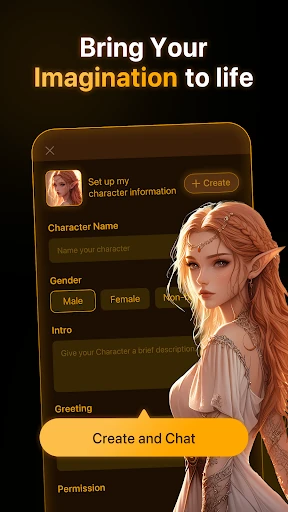
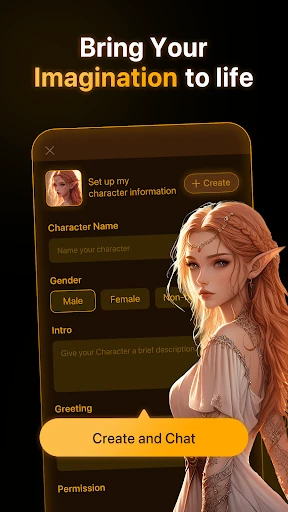
Character creation asks for more than a name and a picture. A character has three parts: avatar, profile, and voice. For the avatar, you can upload a reference image, add a description, and choose a drawing style to generate the look; you can also use your own image and set it as the avatar, chat background, and profile cover.
The profile carries the personality: name, gender, bio, greeting, tags, background, dialogue style, and example dialogues. Specific details do more work than a long paragraph. The greeting should establish the relationship, the current situation, and the character's opening line; a greeting that gives the user something to react to is more likely to start a real exchange. Example dialogues teach rhythm and vocabulary, so write a few lines that sound like the character in different moods.
Voice is the third piece. You can choose from the voice library or build a custom voice by adding library voices and adjusting their mix. After creating a character, chat with it, notice where replies drift, and edit the profile or examples until the voice and wording fit. The official guide also offers a quick creation path for a basic character and a longer route for detailed ones.
What the free version covers
The app is free to download, and the listing describes conversations as completely free, with character creation open to everyone. That is the supported baseline: you can try the core loop—choose or create a character, chat, use voice—without paying to start. It is not a promise that every voice option or extra will be unlimited. Start with the free experience, and treat any purchase prompt as optional until you know the app fits your routine.
Public moderation, private chats and data privacy
Public and private chats carry different expectations. Public or recommended content is moderated, and NSFW material is banned in public areas; private chats operate with fewer filters. Private is not the same as unmoderated or anonymous. Characters can be kept private or shared, and many public characters are made by other users, so what you encounter while browsing depends on community submissions and the moderation applied to them.
The Android data-safety entry says the app may collect personal and financial information along with other data types, may share location with third parties, encrypts data in transit, and allows deletion requests. Those categories are broad, so decide in advance what personal details you are comfortable putting into a chat. If the app asks for payment information, know which feature it is for before entering it. For casual roleplay, the practical question is whether you want a story space that feels private or a community feed where characters are meant to be discovered.