

- Installs
- 50,000,000+
- Ratings
- 732,760
- Price
- Free
- Developer
- Glority Global Group Ltd.
Screenshots
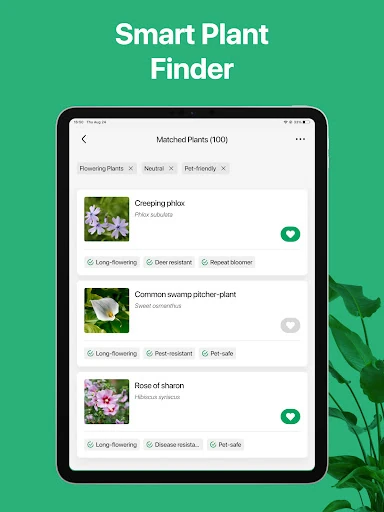
Overview
PictureThis is a reasonable install on Android if you want to photograph a plant and get a name, care notes and a way to keep track of what you're growing. The part to settle before committing is the paid boundary: the free download's limits aren't published in the Play listing, and the premium trial runs seven days and asks for payment details up front.
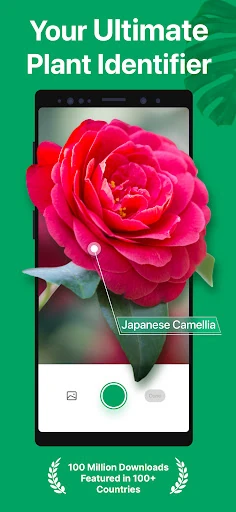
Identifying a plant from a phone photo
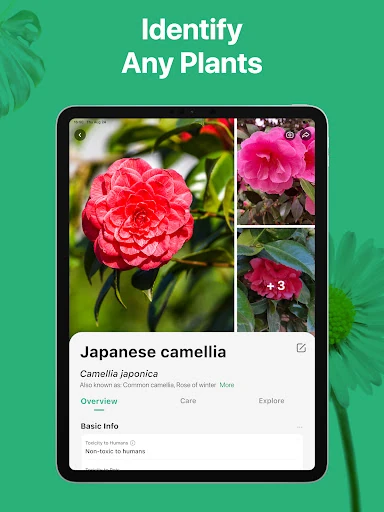
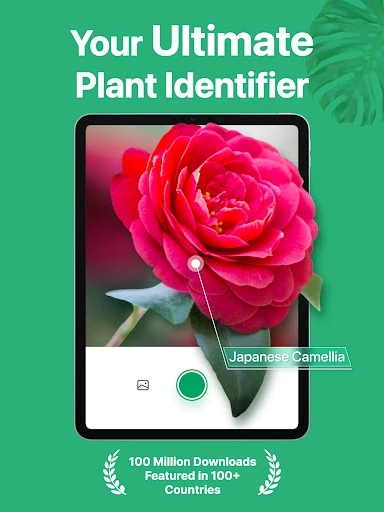
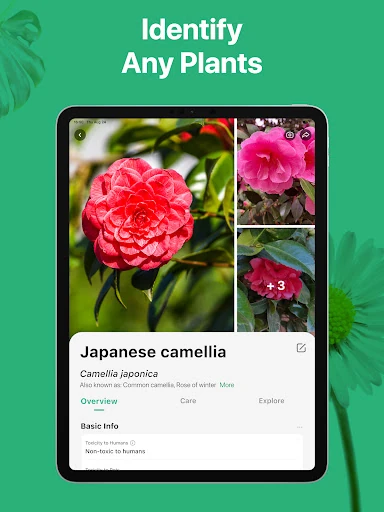
Identification is the core loop and the reason most people open the app. You point the camera at a leaf, a flower or a whole plant, take the shot, and get a species name with a detail page covering appearance and basic care. The developer claims coverage of more than 400,000 species at about 98% accuracy. Those are marketing figures, but outside testing gives the engine real credit: a 2024 study across Mid-Atlantic pastures and hayfields put 90 field images of 30 forage species through nine plant-ID apps, and PictureThis returned the correct species as its first suggestion 94% of the time — the best first-suggestion rate in the group.
That's a strong first pass, not a final word. For a garden flower or a houseplant, a wrong suggestion is a small annoyance you can check against the reference photos on the detail page. For a mushroom, a wild edible or a plant you intend to use medicinally, treat the result as a lead and confirm it with a local expert before acting on it.
What the free version actually covers
PictureThis is free to download, and because the listing doesn't say how many identifications the free tier allows, no review can promise you a specific free allowance. What is documented is the trial: seven days of premium access, payment details required up front, and cancellation up to 24 hours before the end to avoid a charge. If you want to test the paid tools without committing, that window is the way to do it — and it's short enough that you should note the cancellation date when you start.
The practical question is frequency. If you photograph a few unfamiliar plants a month, the free tier may well cover you; if you identify constantly, want disease diagnosis and rely on watering reminders, the subscription is the version that matches your use. Since the caps aren't public, the honest test is to install it, use the free version for a week on your own plants, and see where it stops you.
Care reminders and a plant collection
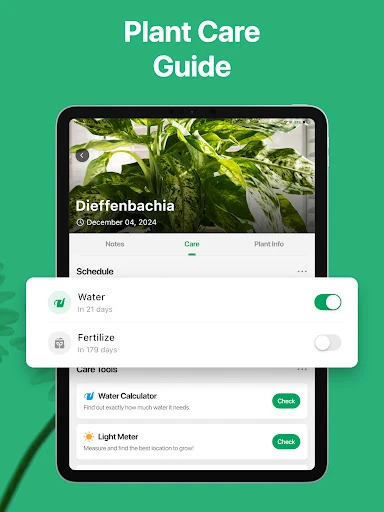
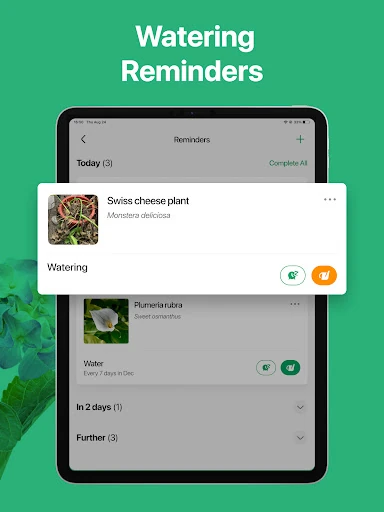
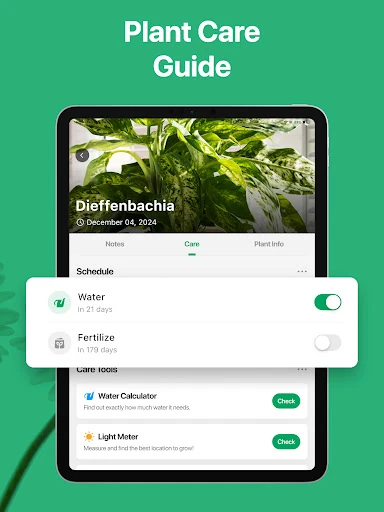
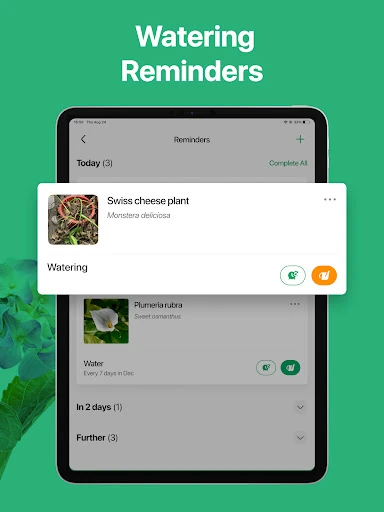
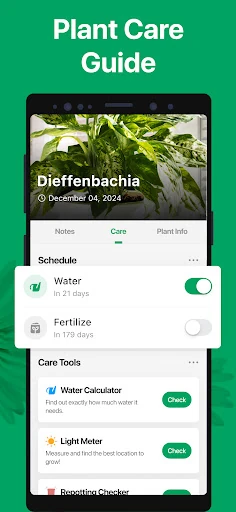
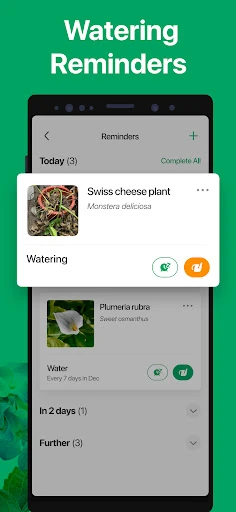
Once a plant has a name, the app shifts from answering a question to managing a routine. Care entries cover watering frequency, fertilizing and the light conditions a species wants, and reminders turn that schedule into a notification instead of a note you forget. A light meter uses the phone to gauge exposure, which helps when you're deciding whether a windowsill is actually bright enough. The collection log keeps identified plants with photos and notes, and a wishlist holds the ones you haven't bought yet. There's also a chat line to plant experts for questions that don't fit a care entry.
This is the part that earns a place on the home screen for houseplant owners and small-scale gardeners with a set of pots to stay on top of. If you own three easy plants and water them on Sundays, the tracking layer adds admin for little return. And if you plan to lean on reminders, confirm they're included for you before building a routine around them, since that is exactly the kind of function that can sit on the paid side.
Diagnosing a sick plant and checking whether it is toxic
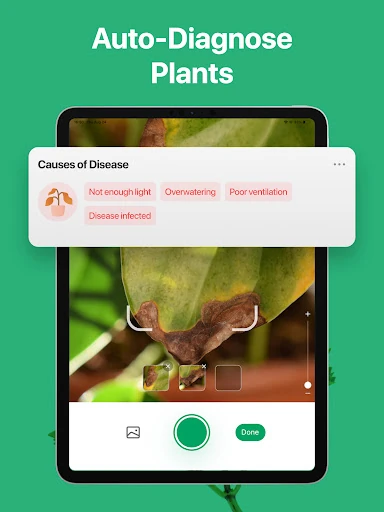
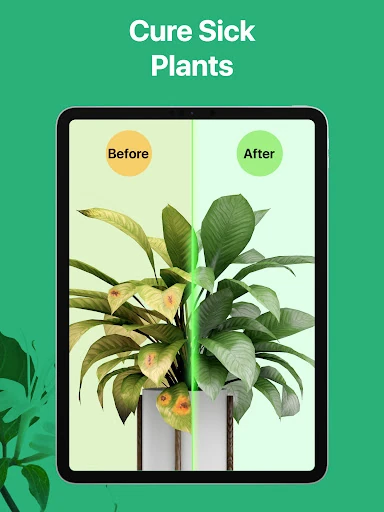
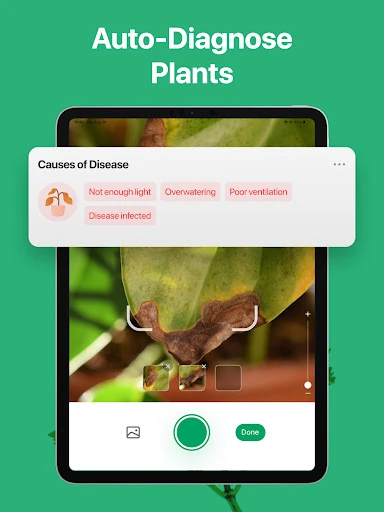
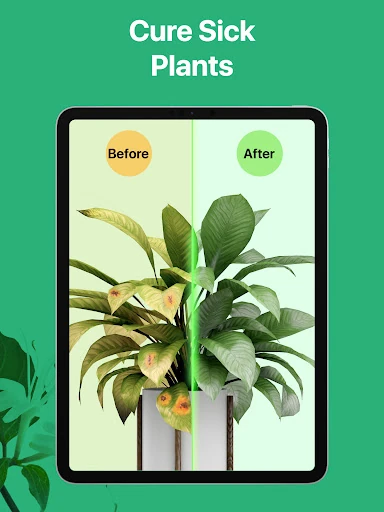
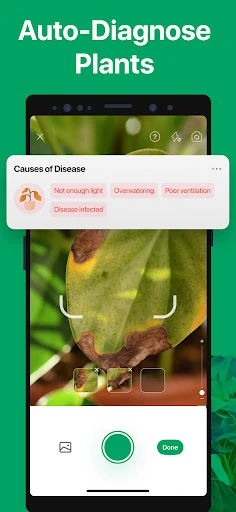
Photograph the affected leaves — spots, yellowing, wilt — and the app returns a likely disease or pest problem with treatment steps to work through. It's the same photo-first flow as identification, applied to a problem rather than a name, and it's most useful early, when you're deciding whether to isolate a plant, change its watering or give up on it.
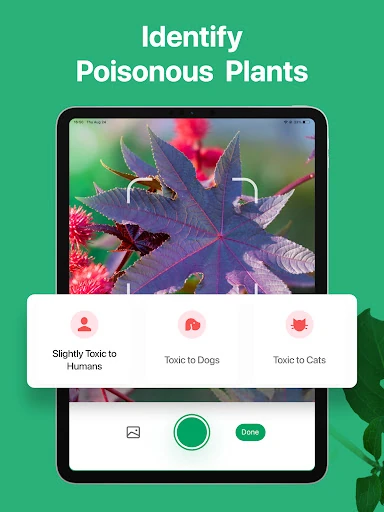
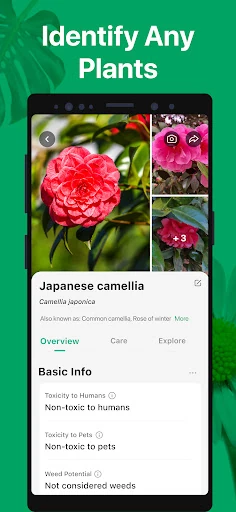
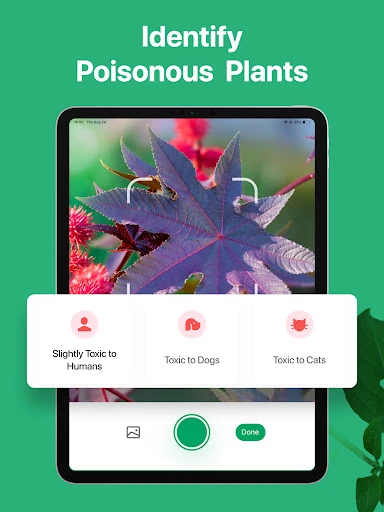
The toxicity check matters more. If a child or pet has chewed something, or you're bringing a new plant into a house with a cat, a warning about toxicity is worth having in seconds. Use it as fast triage: for an actual ingestion, call a vet or a poison service rather than working from an app result.
Weed identification in garden beds
A photo can confirm whether a volunteer seedling is a weed, and the app follows up with control or removal guidance. It's a narrower use, but it saves you from yanking a self-sown flower you'd have liked to keep — or from letting a spreader settle in for another season.